Bed Bug Exterminator for Effective Home and Business Solutions
Bed Bug Exterminator for Effective Home and Business Solutions
Blog Article
Proven Bed Bug Elimination Strategies for a Pest-Free Home
Bed bugs present a formidable challenge for homeowners desiring a pest-free habitat. Recognizing their patterns and effective solutions is paramount. A combination of do-it-yourself strategies and skilled extermination can yield the best performance. This review will assess essential implements, validated home treatments, and qualified options. Additionally, preventive measures can help guarantee that these pests do not reappear. The journey to a bed bug-free home calls for careful examination and strategic efforts.

Learning About Bed Bugs: Classification and Behavior
Bed bugs, small parasitic insects belonging to the Cimex lectularius species, are well-known for their potential to interfere with rest and create unease. Distinguishable by their flat, oval bodies and reddish-brown coloration, adult bed bugs measure about a quarter of an inch in length. Their size and shape allow them to hide easily in cracks and joints of beds, linens, and structures.
Bed bugs are chiefly night-feeding, taking the blood of their hosts during the night. They are attracted by carbon dioxide and body heat, making humans suitable hosts. Reproduction happens at a fast rate; a single female can lay scores of eggs in her lifetime. Grasping the behavior and habits of bed bugs is essential for successful elimination, as they can swiftly colonize homes and remain dormant for prolonged stretches. Their ability to survive environmental shifts emphasizes the criticality of quick recognition and response.
Key Instruments for Effective DIY Pest Treatment
Successful DIY bed bug treatment depends on a methodical approach, and securing the appropriate tools is necessary for accomplishment. Key tools feature a premium vacuum cleaner with a HEPA filter, which captures bed bugs and their eggs efficiently from varied surfaces. Steamers are also critical; the high temperatures eradicate bed bugs on contact, making them excellent for addressing mattresses and upholstery.
Bed bug interceptors can be positioned under leg furniture to monitor and trap any pests attempting to climb. Additionally, encasements for box springs and mattresses assist in preventing infestations and protect against future invasions. A good flashlight is essential for thorough inspections in dark areas, while rubbing alcohol can serve as a quick localized remedy.
Finally, a sturdy brush aids in removing bugs from crevices. Together, these tools form a comprehensive arsenal for tackling bed bug infestations effectively.
Effective Home Treatments for Bed Bug Eradication
Property owners looking for relief from bed bug infestations often rely on tested remedies that can be located in their own homes or local stores. One effective approach includes using essential oils, specifically tea tree and lavender oil, known for their insect-repellent properties. Blending these oils with water and spraying them on affected areas may work to discourage bed bugs. Another common remedy is diatomaceous earth, a natural powder that removes moisture from the bugs upon contact, effectively getting rid of them over time.
Freezing articles that cannot be washed, like shoes or stuffed animals, for several days can also wipe out bed bugs. In addition, a extensive vacuuming of infested areas followed by steam cleaning can disrupt their habitats. While these home remedies may not guarantee full eradication, they can serve as valuable adjuncts to an extensive pest control strategy. Homeowners should keep watchful and monitor for any signs of resurgence.
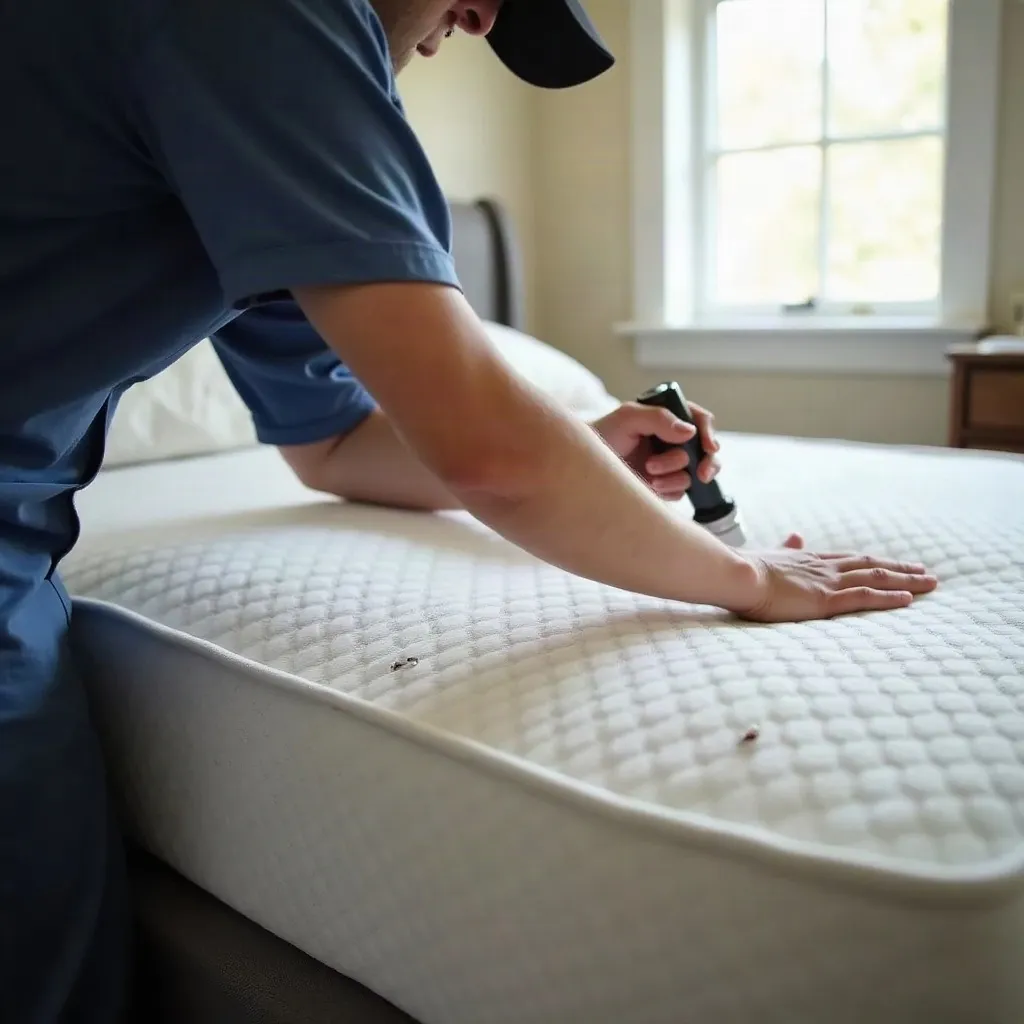
How to Find Professional Bed Bug Removal
What method can one use to determine the finest professional pest extermination service? To establish an informed decision, individuals need to begin by researching nearby companies with a solid reputation. Testimonials and testimonials from former clients give insight into the effectiveness and reliability of services offered. It is crucial to check that the exterminators are registered and insured, ensuring they comply to industry standards.
Next, look into the procedures utilized in pest removal. Reputable companies commonly supply a assortment of options, encompassing chemical interventions and heat applications. Looking into their follow-up procedures can also indicate their pledge to long-term solutions. Securing multiple quotes facilitates comparison, but the smallest expense should not be the main criterion. Finally, a good pest management company will furnish a clear explanation of the operation and address any questions, fostering reliance and confidence in their competence.
Preventing Future Bed Bug Invasions
After obtaining professional bed bug extermination services, priority should be placed on stopping future bed bug problems. Establishing preventative actions is important for sustaining a pest-free sleeping environment. First, regular monitoring of rest areas and surrounding pieces can help uncover any early manifestations of bed bugs. Deploying protective encasements for mattresses and box springs builds a defensive barrier that keeps bed bugs from hiding and reproducing.
Furthermore, it is crucial to exercise caution when journeying. Inspecting hotel rooms and keeping luggage elevated can reduce the risk of bringing bed bugs home. Organizing living spaces also reduces potential hiding spots, making it easier to spot any infestations early.
Additionally, making aware all household members about bed bug warning signs and prevention strategies promotes a shared accountability. By adopting these methods, homeowners can substantially reduce the chances of a bed bug problem down the content line, thereby maintaining a comfortable and pest-free living space.
Regular Routines to Guarantee Your Home Stays Bed Bug-Free
To maintain a bed bug-free living space, one must adopt regular daily routines that lower infestation risks. Regular inspection of sleep spaces is essential; checking for indicators like shed skins or dark spots on bedding aids in catching issues early. Weekly washing of bedding and linens in hot water remains an effective approach, as high temperatures eliminate any eggs or bugs.
Vacuuming regularly, specifically in locations where pets sleep and along baseboards, can eliminate hidden bed bugs and their eggs. Keeping clutter to a minimum also helps with prevention, as it provides fewer hiding spots.
When on travel, individuals should assess hotel rooms and position luggage raised up on racks rather than on beds or floors. Additionally, sealing cracks and crevices in walls or furniture can greatly decrease the chances of bed bug entry. Adopting these everyday practices fosters a preventative approach to maintaining a pest-free environment.
Often Posed Questions
How Prolonged Can Bed Bugs Live Without a Host?
Bed bugs can persist without a host for several months, typically ranging from two to six months. Their resilience allows them to endure in food-free environments, waiting for a suitable host to appear.
Do Bed Bugs transmit Diseases to Humans?
Bed bugs do not transmit diseases to humans, as stated by health experts. Their bites can cause discomfort and allergic responses, but they are not recognized carriers of disease-causing agents that result in infectious diseases or serious illnesses.
Might Pets Carry Bed Bugs Into Your Home?
Pets can unintentionally transport bed bugs into the home by acquiring them from infested areas. While bed bugs do not typically infest pets, they can hitch a ride on fur or possessions.
Is Applying Insecticides In the Vicinity of Young Children Secure?
Deploying pesticides where kids are present carries risk factors. It's critical to observe label requirements, provide proper ventilation, and remove kids from the area during application. Engaging a pest control consultant can furnish safer alternatives and instruction for family environments.
How do I verify if my bed bug treatment was successful?
To determine if bed bug treatment was working, one should monitor for evidence such as bites, shed skins, or live insects for some weeks. Regular inspections and additional treatments may be needed for full eradication.
Report this page